The short answer
As of November 2026, a 60-minute massage in Dubai typically costs AED 150 to 350 at a neighbourhood spa or salon, AED 250 to 400 for a home-service session from a licensed company, and AED 450 to 1,000 at a hotel spa. A Moroccan bath typically costs AED 150 to 400 at a neighbourhood spa and AED 500 to 900 at a hotel.
Whatever you pay, check one thing first: that the spa is a licensed business with a fixed address, a menu and a receipt. In Dubai, legitimate spas hold a trade licence for spa or massage activity and meet Dubai Municipality health rules. Massage cards left on cars and anonymous "massage" messages are not that, and Dubai Police have warned the public about them for years.
This guide explains the main massage types, what drives the price, how licensed spas work, and what to check before you book. You can compare licence-checked spas and massage centres on Moathaq.
Massage types explained
Spa menus in Dubai use the same handful of names. Here is what each one usually means.
- Swedish massage. The classic relaxing massage: long, flowing strokes, kneading and gentle to medium pressure with oil. It is a good choice for a first visit.
- Deep tissue massage. Slower, firmer pressure aimed at the deeper layers of muscle. Many people book it for tight shoulders or a stiff back. It can feel intense, so tell the therapist if the pressure is too much.
- Thai massage. Done on a mat, usually in loose, comfortable clothes, with stretching and pressure along the body. No oil in the traditional style.
- Hot stone massage. A relaxing massage in which smooth, heated stones are placed on or moved over the body.
- Sports massage. Focused work on muscle groups used in training, often before or after an event.
- Aromatherapy massage. A gentle massage with scented essential oils.
- Lomi lomi. A Hawaiian style with long, flowing strokes using the forearms. Fewer spas offer it, so check the menu.
Moroccan bath (hammam)
A Moroccan bath is not a massage but a cleansing ritual. It usually involves time in a steam room, a wash with traditional black soap, a full-body scrub with a rough glove called a kessa, and often a clay mask and a rinse. Many spas pair it with a massage. Moroccan baths are almost always single-gender, and many are in ladies-only or gents-only spas.
Massage prices in Dubai
These are typical prices as of November 2026, based on published spa menus and booking listings. Your spa's menu is what counts.
By type of venue, 60 minutes
- Neighbourhood spa or salon: AED 150 to 350. A 90-minute session usually adds about AED 100 to 150.
- Home service from a licensed company: AED 250 to 400.
- Hotel spa: AED 450 to 1,000, and more for signature treatments.
Moroccan bath
- Neighbourhood ladies' or gents' spa: AED 150 to 400 for about an hour.
- Hotel spa: AED 500 to 900, and more for premium rituals.
Prices in Abu Dhabi and Sharjah are often similar to or lower than in Dubai, especially at neighbourhood spas.
What moves the price
- Length. 60, 90 and 120 minutes are the usual options.
- Location and setting. A hotel spa includes the pool, steam room and lounge, which is part of what you pay for.
- Add-ons. Hot stones, a scrub, a facial or a Moroccan bath add to the total.
- Taxes and charges. VAT of 5 percent applies if the spa is VAT-registered. Hotel spa menus often add or include a service charge and a municipality fee, so ask whether the price you see is the final price.
- Packages. Many spas sell bundles of sessions at a lower price per visit. Check the expiry date before you pay.
How a legitimate spa is licensed
A licensed spa in Dubai is a registered business, and you can check it.
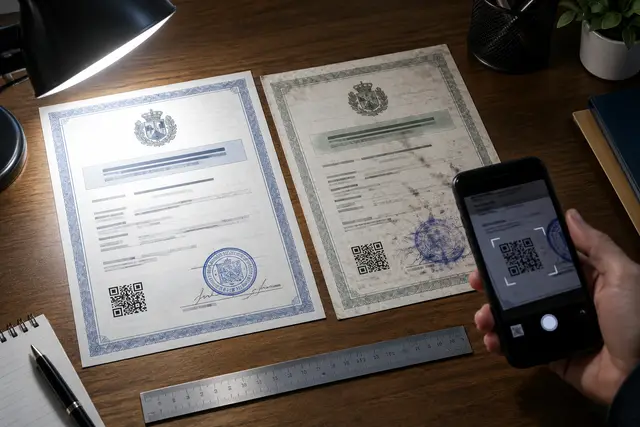
- Trade licence. The spa holds a trade licence from the Department of Economy and Tourism (DET) in Dubai, or the economic department of its emirate, that lists spa or massage centre activity. Free zone spas hold a licence from their free zone authority. Our guide on how to spot a fake trade licence shows what a real one looks like and how to check it.
- Health and safety approval. Spas and massage centres must meet the municipality's health and hygiene requirements. Dubai Municipality publishes technical guidelines for spa and massage centres, with separate requirements for ladies' and gents' centres.
- Staff health certificates. Staff who give treatments need an occupational health certificate.
- Therapeutic or medical massage. A centre that offers therapeutic massage as a health service also needs a health licence, and in Dubai that comes from the DHA. A relaxation spa is not a medical clinic and should not claim to treat illness.
Gender policies
Spas in Dubai generally follow same-gender rules. For example, the Trakhees health guideline for massage and spa centres in its zones says each centre should serve one gender, with male staff for male clients and female staff for female clients, and that a centre approved for both must keep the sections separate and post the hours for each. Many spas are ladies-only or gents-only. If this matters to you, ask the spa directly about its policy before you book.
The same guideline requires a notice in Arabic and English saying that the centre is not a healthcare facility, telling clients to see a doctor first if they are unwell, and cautioning pregnant women. A spa that takes its licence seriously will have something similar on the wall.
Massage cards and unlicensed offers
Small cards advertising massage are often left on cars and outside buildings in Dubai. Dubai Police have repeatedly warned the public not to respond to them. Over the years, police have arrested people who print and hand out these cards, and closed flats used as unlicensed "massage centres". They warn that people who visit such places risk being robbed or blackmailed. Residents can report such activity by calling 901 or through the Police Eye service in the Dubai Police app.
The simple rule: a legitimate spa does not need to advertise with anonymous cards.
What legitimate spas do differently
- A real address. A licensed spa has premises you can visit, with the business name on the signboard.
- A fixed menu. Treatments, durations and prices are written down before you book, not negotiated on the phone.
- A licence you can check. The trade licence is on display or available on request, and the business name matches.
- Receipts. You get a proper receipt or tax invoice with the business name.
- Clear policies. Same-gender therapist policies, cancellation terms and what to wear are explained up front.
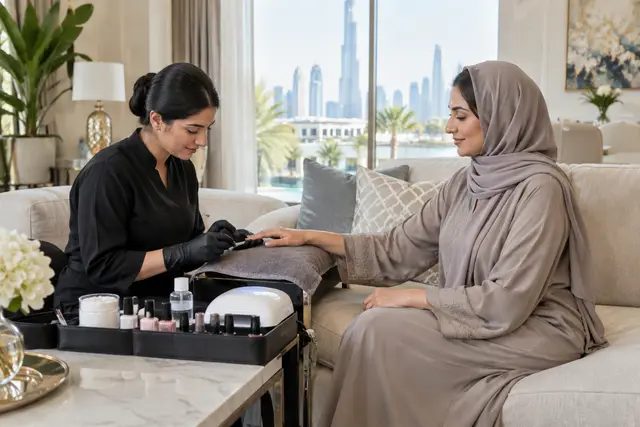
- Home service through a licensed company. Some licensed spas and salons offer treatments at home. Book through the company itself, with a menu and a receipt, not through an individual's phone number. You can compare licensed home salon services on Moathaq.
Health cautions
A relaxation massage is not a medical treatment, and a spa should not promise to cure anything. Talk to your doctor before booking if any of these apply to you:
- You are pregnant, or think you might be. Many spas offer pregnancy massage only after the first trimester and may ask for your doctor's approval.
- You have a heart condition, high or low blood pressure, diabetes, a blood clotting problem or varicose veins.
- You have had recent surgery, an injury, a fracture or a skin condition.
- You take blood-thinning medicine.
- You have recently had a cosmetic procedure such as Botox or laser treatment. Ask the clinic how long to wait. Our guide to laser hair removal and Botox in Dubai covers the aftercare questions to ask.
Tell the therapist about any condition before the session starts, and speak up if anything hurts. Steam rooms and hot baths are not suitable for everyone, so ask your doctor if you are unsure.
Spa etiquette in the UAE
A few habits make a visit easier for you and for the spa.
- Arrive 10 to 15 minutes early to fill in a short health form and change. Late arrivals usually get a shorter session, not a later finish.
- Expect modesty. You will be covered with towels throughout, and only the area being worked on is uncovered. Disposable underwear is often provided.
- Say what you prefer. Pressure, areas to avoid and the therapist's gender are all fine to ask about.
- Keep the phone away. Spas are quiet spaces.
- Tipping is optional. Some people leave 10 to 15 percent at a neighbourhood spa. Hotel menus may already include a service charge, so check the bill.
- Read the cancellation policy. Many spas charge for late cancellations or no-shows.
If you prefer a women-only setting for exercise as well as treatments, you can also compare licensed ladies' fitness centres.
Checklist before you book
Before you book a massage or a Moroccan bath, check that:
- The spa has a real address and the business name on the signboard matches its licence.
- The trade licence lists spa or massage activity, and you can see it or check it.
- There is a written menu with prices and durations, and you know whether VAT and charges are included.
- The spa's gender policy suits you.
- You found the spa yourself, not through a card, a random message or an account with no address.
- You have told the spa about any health condition or pregnancy, and asked your doctor first if needed.
- You will get a receipt with the business name.
- The reviews look like real visits over time, not a burst of five-star posts. Our guide on how online reviews get faked in the UAE explains what to look for.
When you are ready, compare licence-checked spas on Moathaq, including spas in Dubai, in Abu Dhabi and in Sharjah, and request free quotes from spas whose licences we have checked.
Any AED amounts in this guide are typical ranges for Dubai as of October 2026; prices in other emirates are often similar or lower. They are not quotes and not offers: real prices depend on the job, the company and the date, so ask for written quotes.
Frequently asked questions
How much is a massage in Dubai?
As of November 2026, a 60-minute massage typically costs AED 150 to 350 at a neighbourhood spa, AED 250 to 400 for home service from a licensed company and AED 450 to 1,000 at a hotel spa. Check whether VAT and service charges are included.
How much does a Moroccan bath cost in Dubai?
Typically AED 150 to 400 for about an hour at a neighbourhood spa and AED 500 to 900 at a hotel spa, as of November 2026. Packages with a massage cost more.
What is Swedish massage?
A classic relaxing massage with long, flowing strokes, kneading and gentle to medium pressure using oil. It is a good choice for a first visit. Deep tissue massage uses firmer pressure on deeper muscle layers.
Are massage cards in Dubai legal?
No. Dubai Police have arrested people for printing and distributing them and have warned the public not to respond, because unlicensed centres expose visitors to robbery and extortion. Report them on 901 or through Police Eye in the Dubai Police app.
How do I know if a spa near me is licensed?
Ask to see the trade licence and check that it lists spa or massage activity and matches the name on the signboard. In Dubai, mainland spas are licensed by the Department of Economy and Tourism, and free zone spas by their free zone authority. On Moathaq, spas with a verified badge have had their licence checked.
Can I get a massage when pregnant?
Ask your doctor first. Many spas offer pregnancy massage only after the first trimester, may ask for your doctor's approval, and often avoid steam rooms and hot treatments for pregnant clients.