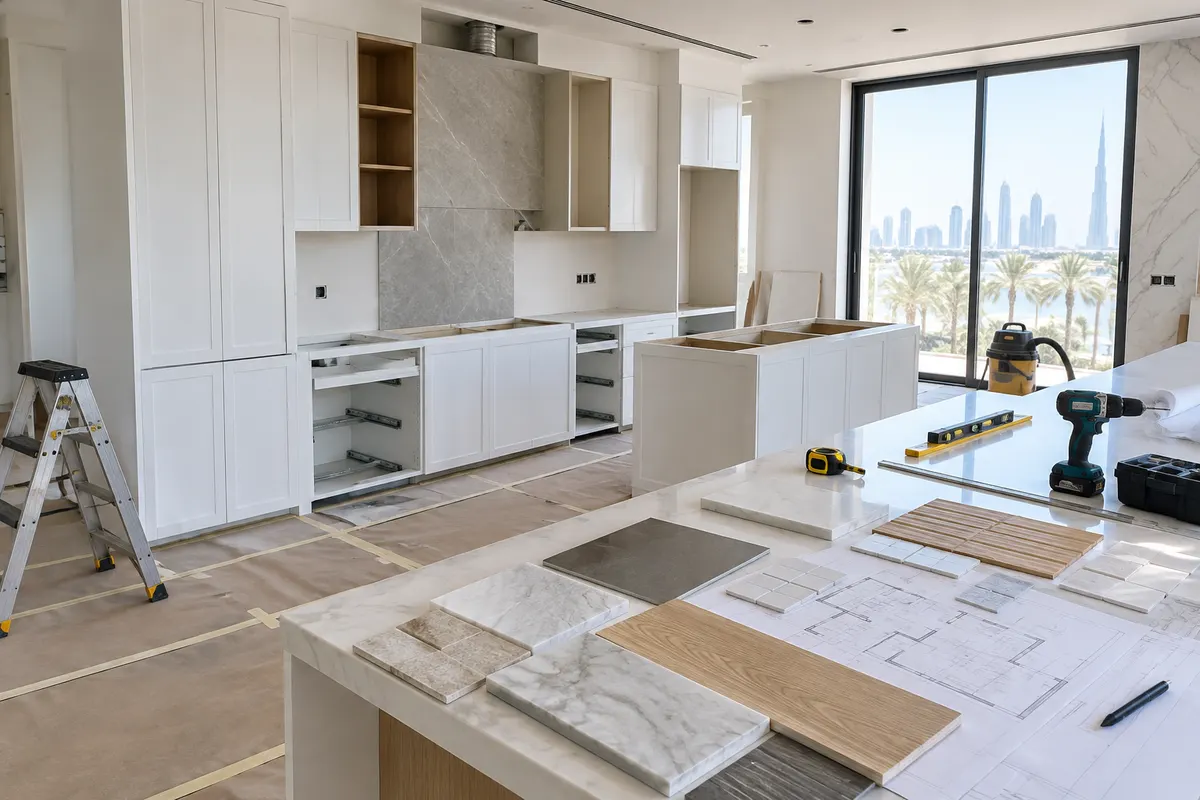
The short answer
As of November 2026, a mid-range kitchen renovation in Dubai typically costs AED 25,000 to 90,000, a bathroom AED 12,000 to 35,000, and a full villa renovation AED 150 to 300 per square foot of the area being worked on. High-end interior design and imported finishes can double those figures.
Cosmetic work such as painting, new flooring or replacing doors and false ceilings does not need a Dubai Municipality permit, but it must be done by a qualified contractor, and your master developer or building may still want a no-objection certificate (NOC). Anything structural, an extension, or a change to the electrical load needs approvals before work starts.
The most important checks are simple: a trade licence that covers the work, drawings and a written scope before you pay, payments tied to finished stages, and a retention held back until the snags are fixed. This guide walks through each one.
Five kinds of renovation and what each costs
Typical Dubai prices as of November 2026, before VAT. They are ranges to plan with, not quotes.
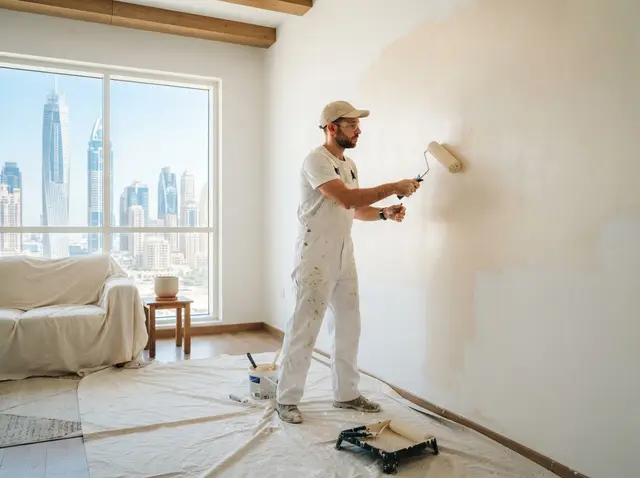
- Cosmetic refresh: paint, lighting, new handles, a feature wall, perhaps new flooring. A full interior repaint of a three or four-bedroom villa costs AED 4,500 to 12,000; adding new flooring and lighting usually comes to AED 40 to 120 per square foot. Our painting and carpentry pages list companies for these jobs.
- Kitchen renovation: new cabinets, worktop, sink, tiling and appliances. AED 25,000 to 90,000 for most villa and apartment kitchens; custom joinery, stone worktops and premium appliances can push it past AED 150,000. Cabinets are the biggest line, at roughly AED 1,800 to 4,500 per linear metre.
- Bathroom renovation: strip-out, waterproofing, tiles, sanitaryware and fittings. AED 12,000 to 35,000 per bathroom. Waterproofing is the part you must not cut.
- Full villa renovation: kitchen, bathrooms, flooring, ceilings, electrics, plumbing and joinery. AED 150 to 300 per square foot for mid-range work, and AED 400 or more with premium finishes. A 3,500 square foot villa done throughout usually lands between AED 500,000 and 1,000,000 at mid-range.
- Extension or structural change: a new room, a covered terrace that becomes indoor space, or removing a load-bearing wall. Expect build costs above a normal renovation, plus design and engineering fees and permit costs. Get a consultant's estimate before you commit.
Our interior fit-out price guide lists more ranges. Keep 10 to 15 percent of the budget aside for surprises, which are common in older villas.
What pushes the price up or down
- Moving services. Keeping the sink, toilet and cooker where they are saves a lot. Moving drains, gas or AC ducts means opening floors and ceilings.
- Specification. Local laminate cabinets and porcelain tiles cost a fraction of lacquered joinery and natural stone. The finish list alone can triple the price per square foot.
- Design. An interior design package for a villa is often charged as a fixed fee or a percentage of the works. Detailed drawings cost more than mood boards, but they make quotes comparable.
- Approvals. Permits, NOCs, refundable deposits and consultant fees add cost and time.
- Access and hours. Communities restrict working hours and noisy work, and towers restrict lift use. Outdoor work also pauses for the midday break in summer.
- Programme. A faster finish needs a bigger crew and costs more.
- What is hidden. Old villas can reveal damp, corroded pipes or tired wiring once walls are open.
Permits and approvals: who approves what
Renovation approvals in Dubai come in layers. Your contractor or consultant should handle the applications, but you should know what to expect.
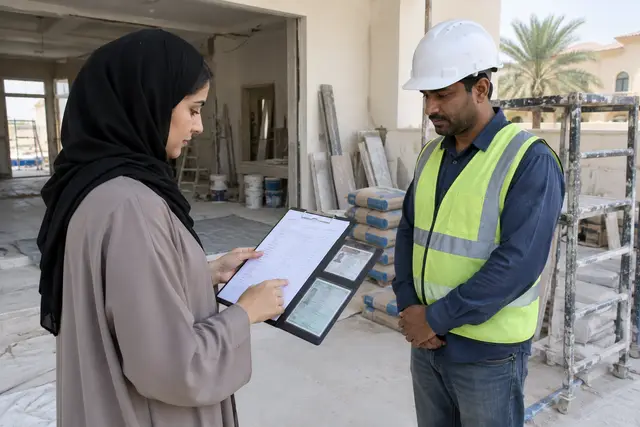
1. Basic maintenance works. Under Dubai Municipality Administrative Resolution No. 109 of 2022, basic maintenance such as interior and exterior painting, replacing floors, doors and false ceilings, and maintaining electrical, plumbing and AC systems does not need a Municipality permit or completion certificate. The work must still be carried out by a contractor pre-qualified by the Municipality.
2. Structural work, modifications and extensions. Repairing structural cracks, removing or changing structural elements, extensions and changes to the approved layout need a building permit through the Dubai Building Permit System, applied for by an engineering consultant or a qualified contractor. Serious structural repairs need drawings approved by the Municipality and a completion certificate at the end.
3. Master developer or community NOC. Most villa communities require the master developer's NOC before any modification, and some ask for one even for cosmetic work. It usually comes with drawings, a refundable deposit and rules on working hours. In apartments, the building management or owners' association issues the NOC.
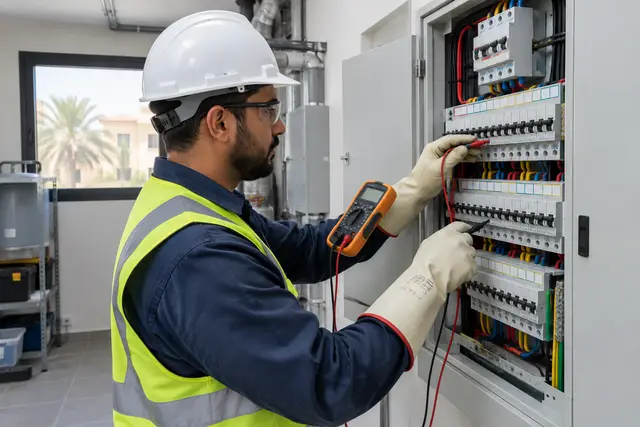
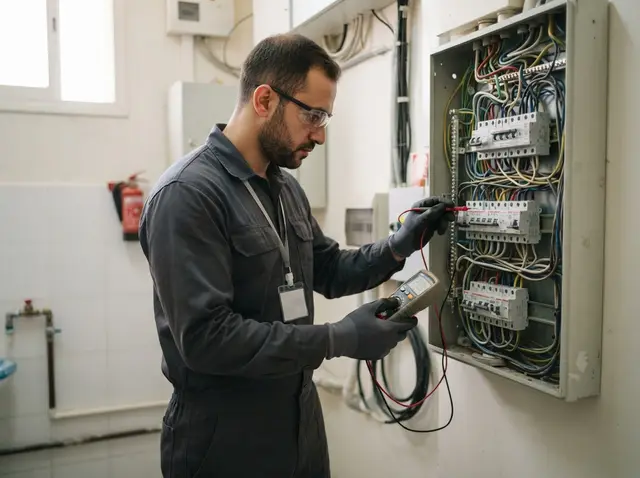
4. Utility approvals. Changes to the electrical installation, especially new circuits or extra load, go through a contractor registered with DEWA in Dubai. Our guide to electrical work, permits and DEWA explains what a handyman can and cannot do. Work on fire alarms, sprinklers or gas lines may also need Civil Defence approval.
5. Which authority covers your plot. Not every Dubai community is under Dubai Municipality for building permits. Areas under Trakhees, the regulator of the Ports, Customs and Free Zone Corporation, such as Palm Jumeirah and Jebel Ali, need a Trakhees modification permit instead, and communities within Dubai Development Authority zones apply to the DDA. Your affection plan or the master developer will tell you which applies. Outside Dubai, the local municipality issues permits, for example the Abu Dhabi City Municipality or Sharjah City Municipality.
Contracts, payment milestones and retention
Never start a renovation on the strength of a WhatsApp quote. A proper contract for a kitchen or villa job should include:
- Drawings and a specification listing brands, models, finishes and thicknesses, signed by both sides.
- An itemised bill of quantities, so you can compare quotes line by line and price any changes.
- A programme with a start date, a finish date and what happens if either side causes delay.
- A variation process. Every change in writing, with its price, before the work is done.
- Who handles approvals and who pays the permit fees and deposits.
- Defects and warranty terms, including a defects period after handover.
A common payment pattern ties money to finished stages, for example: 10 to 20 percent on signing, then payments at demolition and first fix, at tiling and joinery, at installation, and the balance at handover. Never let your payments run ahead of the work that is done.
Hold back a retention of 5 to 10 percent until the snagging list is complete and the defects period, often 6 to 12 months, has passed. For structural work, UAE civil law makes contractors and engineers liable for 10 years for collapse and serious structural defects, and the Civil Transactions Law in force since 2026 keeps that rule. Keep the contract, drawings and invoices for that long.
Timelines, materials and warranties
Typical timelines once approvals are in hand:
- Cosmetic refresh: one to three weeks.
- Bathroom: two to four weeks, including time for waterproofing to be tested.
- Kitchen: three to eight weeks. Custom cabinets often take three to five weeks to make, so order them early.
- Full villa: three to six months.
- Extension: six months or more, including design and permits.
Approvals and NOCs can add two to eight weeks before anyone starts. Plan around school holidays and summer, when crews are busy and outdoor hours are shorter.
On materials, approve samples of tiles, worktops, paint colours and cabinet finishes, and keep them signed. "Equivalent" substitutes should need your written approval. For warranties, ask for the manufacturer's warranty on appliances, hinges, sanitaryware and worktops, a written waterproofing warranty, and the contractor's workmanship warranty, usually for the defects period. A warranty from a company that disappears is worth nothing, so the licence checks below matter.
How to check a fit-out or renovation company
Before you sign, check these:
- Trade licence and activity. The licence should be valid and list activities that match the job, such as interior decoration, fit-out or building contracting. A licence for "general trading" or a typing service does not cover building work.
- Contractor registration. Under Dubai Law No. 7 of 2025, Dubai Municipality keeps a unified register of contractors, who are classified by their technical and financial capability and may only work within their category. The law came into force in January 2026, and existing contractors have until January 2027 to comply. Ask which category the company holds.
- Who does the work. Ask which trades are in-house and which are subcontracted. Electrical, plumbing and AC work should be done by licensed specialists; you can find them on our electrician and plumber pages.
- Insurance. Ask for contractor's all-risk and third-party liability cover, especially in a tower where a leak can damage the flat below.
- Work you can see. Visit a finished project or a live site, and speak to a past client.
Our guide on how to check a contractor before paying covers the licence search step by step. Every business on our interior fit-out page has had its trade licence checked.
Red flags, and renovating a rented home
Other red flags:
- No drawings, no scope. A price per square foot with nothing in writing cannot be held to.
- "No permit needed" for a wall removal, an extension or new electrical circuits. Unapproved work can mean fines, an order to undo it, trouble when you sell and a rejected insurance claim.
- A licence in another name or one that does not cover construction.
- Pressure to decide today, or a discount that disappears tomorrow.
- Payments to a personal account rather than the company.
- Vague materials such as "good quality tiles" or "imported cabinets".
If you rent, you need the landlord's written consent before any alteration, and the tenancy contract may require you to return the property in its original state. Agree in writing who pays, who owns the improvements and what happens at the end of the lease. After the dusty work is done, book an AC duct cleaning, because sanding and gypsum dust collect in the ducts.
Checklist before you sign
- Decide the scope: cosmetic, kitchen, bathroom, full villa or extension.
- Get the master developer or building rules and NOC requirements first.
- Ask whether the work needs a Dubai Municipality, Trakhees or DDA permit, and who will apply.
- Get three itemised quotes against the same drawings and specification.
- Check each company's trade licence activity and contractor registration.
- Confirm insurance and who does the electrical, plumbing and AC work.
- Agree a programme, a variation process and payments tied to finished stages.
- Keep a 5 to 10 percent retention until snagging and the defects period are done.
- Approve and sign material samples.
- Collect warranties, permits, completion certificates and as-built drawings at handover.
- In a rental, get the landlord's written consent.
When you are ready, compare licence-checked fit-out and renovation companies and request free quotes on our interior fit-out page, including companies in Dubai.
Any AED amounts in this guide are typical ranges for Dubai as of October 2026; prices in other emirates are often similar or lower. They are not quotes and not offers: real prices depend on the job, the company and the date, so ask for written quotes.
Frequently asked questions
How much does a kitchen renovation cost in Dubai?
As of November 2026, most kitchen renovations in Dubai cost AED 25,000 to 90,000, including cabinets, worktop, tiling and installation. Custom joinery, stone worktops and premium appliances can take it past AED 150,000.
How much does villa renovation cost in Dubai per square foot?
Typically AED 150 to 300 per square foot for a mid-range renovation, as of November 2026. Cosmetic work is far cheaper, and luxury finishes can cost much more.
Do I need a permit to renovate my villa in Dubai?
Painting, new flooring, doors and false ceilings do not need a Dubai Municipality permit, though your master developer may require an NOC. Structural changes, extensions and layout changes need a building permit, and electrical changes need a DEWA-registered contractor. Some areas, such as Palm Jumeirah, are under Trakhees instead.
How much should I pay a fit-out company up front?
A common pattern is 10 to 20 percent on signing, with the rest tied to finished stages and 5 to 10 percent held as retention until snagging is done. Avoid large cash payments before drawings and approvals.
How long does a villa renovation take in Dubai?
A full villa renovation usually takes three to six months once approvals are in place, a kitchen three to eight weeks and a bathroom two to four weeks. NOCs and permits can add two to eight weeks at the start.
What is the difference between interior design and fit-out?
Interior design produces the layout, look, drawings and specification. Fit-out is the building work that delivers it: partitions, ceilings, flooring, joinery, electrics and plumbing. Some companies offer both; check that the one doing the work has a licence for contracting.